


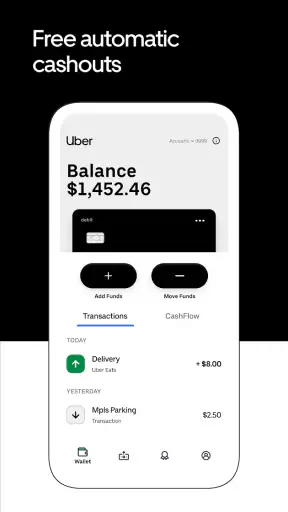
I approached Uber Pro Card as a practical finance app rather than another wallet I would open just to check a balance. Its purpose is closely tied to earning through Uber, so the useful question is not whether it can replace every banking tool, but whether it makes the path from completed work to usable money feel simpler. After spending time with it, I found a focused experience with a clear audience: people who want their driving or delivery income kept separate, visible, and easier to manage.
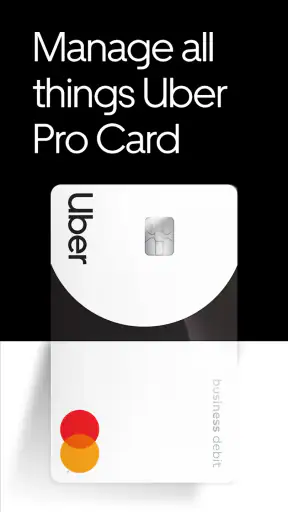
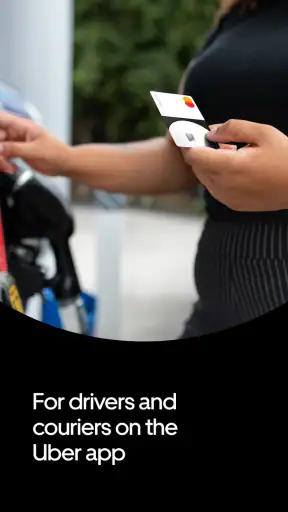
That focus is also the first thing to understand before installing it. This is not a general-purpose budgeting app with a rideshare theme added on top. It is the Uber Pro Card app from Branch Messenger, listed in the finance category and offered free for everyone. The store summary, “Keep more of what you earn,” describes the intended mindset, while the short description, “Uber Pro Card,” makes its connection to Uber unmistakable.
From completed Uber work to money you can use
The starting condition: earnings scattered across everyday spending
The problem this app addresses is familiar to many drivers and couriers. Income arrives through work, but personal spending, fuel, maintenance, meals, and household bills all compete for attention. When everything lands in one ordinary account, it becomes difficult to tell whether a strong day actually improved your finances or simply disappeared into routine purchases.
I found the dedicated approach more useful than I expected because it creates a mental boundary. Money connected to Uber work has its own place, which makes it easier to review what came in before deciding what can be spent. That distinction matters even more for people who drive part time. A separate flow can show whether the work is helping with a specific goal instead of blending into a paycheck or a shared household balance.
The app has attracted substantial adoption, with more than a million installs, and its store presence shows a 4.9 average from roughly eighty-two thousand ratings. Those figures do not guarantee that every driver will enjoy the experience, but they do suggest that the focused model resonates with a large group of users. I would still treat the rating as a starting signal rather than a substitute for checking whether the account fits your own work arrangement.
One of my favorite practical uses is assigning the card to work-related expenses only. Fuel, cleaning supplies, parking, or a quick meal during a shift can be viewed as part of the same operating picture. That does not automatically calculate profitability for you, but it gives you a cleaner starting point for doing that calculation yourself. The important insight is that the app is most valuable when you decide in advance what this money is for.
Step one: setting up a separate earning workflow
The first stage is less about browsing screens and more about deciding how the card will fit into your routine. I would not begin by moving every financial activity into it. Instead, I would choose one clear role: receiving or organizing Uber-related money and using the associated card for selected spending. That approach keeps the transition manageable and makes it easier to notice whether the separation genuinely helps.
Before relying on it, I would also make a short list of recurring obligations that must never be interrupted. Rent, loan payments, subscriptions, and household transfers may be better left with an established bank account if that is where they are already organized. The Uber Pro Card can then serve as the work-income lane rather than becoming an immediate replacement for every financial relationship you have.
The current version is 2026.8.3 and requires Android 10 or later. That makes device compatibility an early checkpoint, especially if you keep an older phone for driving. I would update the phone first, install the app before a busy workday, and complete the initial setup while I have time to read each screen rather than trying to do it between trips.
Because this is a finance product, I would avoid treating setup as a casual sign-up. Use contact details you can reliably access, keep your phone protected, and make sure you understand which account or card activity belongs to the work flow. A rushed setup can create more friction later when you are trying to trace an unfamiliar transaction or remember why a balance looks different from your Uber earnings view.
Step two: turning work activity into a usable balance
Once the earning flow is in place, the real test is what happens after a shift. I like to imagine a realistic weekday: I drive during the morning rush, stop for fuel, take a break, and finish with several completed trips. Instead of treating the day’s proceeds as an invisible number, I can use the app as a checkpoint. I look at what is available, compare it with the work expenses I chose to put on the card, and decide whether the remaining amount should stay available for driving or move into my personal plan.
That workflow is more useful than simply checking a balance because it connects three moments: the work, the expense, and the decision afterward. The app helps with the middle of that chain, but the judgment remains mine. I still need to account for taxes, vehicle wear, insurance, and other costs that a card balance cannot reveal by itself.
A non-obvious benefit of this arrangement is timing. Drivers often make spending decisions when they are tired, immediately after finishing work. A separate balance can create a brief pause before money is treated as ordinary disposable income. I would use that pause to divide the result mentally into operating money, personal pay, and a reserve. Even without a full accounting system, that habit can reduce the temptation to spend the entire visible balance.
Another useful tactic is reviewing activity at the end of each work block rather than after every individual trip. Constant checking would interrupt the job and encourage overreaction to small changes. A short review after a morning, afternoon, or evening block gives a more meaningful picture and keeps the app in a supporting role instead of turning it into another source of distraction.
Step three: handling the card during an ordinary day
The card becomes most relevant when the income flow meets real-world spending. I would use it deliberately for expenses that belong to the driving day, then review those transactions together afterward. That makes the card more than a place where money arrives; it becomes a boundary around a specific work activity.
There is a trade-off here. Separation is helpful only if I stay consistent. If I use the card for groceries one day, a streaming subscription the next, and fuel on another day, the boundary becomes blurred. The app cannot preserve a distinction that my own spending habits keep erasing. For that reason, I would either reserve it for work-related purchases or create a simple personal rule for occasional exceptions and record them immediately.
I would also keep a second payment option available. Drivers work in varied locations, and a financial app should not be the only way to pay for an urgent expense. This is not a criticism of the app’s central idea; it is sensible planning. A separate card or account can cover a situation where the balance is lower than expected, a transaction needs investigation, or access to the phone is inconvenient.
For someone who drives only occasionally, this workflow may feel excessive. If Uber income is small and already easy to track, adding another financial destination could create more administration than clarity. The strongest case is for people whose earnings are frequent enough to deserve their own routine, but not so complex that they need a full bookkeeping platform.
The handoffs: where the app meets Uber, the driver, and ordinary banking
The most important handoff is between work completed in Uber and money managed through the card experience. I think of Uber as the place where the earning activity happens and the Pro Card app as the place where that money becomes part of a spending routine. Whenever information or funds move between those roles, the user needs to know which screen is the source of truth for the question being asked.
If I want to understand how many trips I completed, I would look to the Uber driver experience. If I want to understand what is available for card spending, I would look to the financial app. Those are related questions, but they are not identical. Confusing them is an easy way to assume that a displayed balance equals profit, when it may only represent money currently available through this particular flow.
The next handoff is personal: deciding what to do with the money after it arrives. Some users will spend directly from the card, while others will use it as a staging point before moving money into a broader household system. I prefer the second approach for anyone with shared bills or multiple income sources. It preserves the useful separation without forcing every family expense into a work-focused tool.
There is also a handoff to record keeping. A dedicated balance can make review easier, but it is not the same as a tax ledger. I would still keep notes or export information in whatever bookkeeping method I already trust, especially for mileage, vehicle costs, and income set aside for tax obligations. The app can support that process by making work-related money easier to identify, but it should not be mistaken for a complete accountant.
This is where the developer matters in practical terms. Branch Messenger is responsible for the app, while the experience is designed around Uber Pro Card rather than a broad collection of unrelated financial products. That specialization is a strength when your work matches the intended use. It is less compelling if you want one app to combine several employers, freelance clients, investments, and household budgeting in one unified dashboard.
The result: a clearer boundary, not a complete financial plan
After following the workflow, the result I would expect is better visibility and more deliberate spending. The app can help answer a useful question: “What money connected to my Uber work is available here right now?” That is narrower than “How healthy are my finances?” but it is still valuable because narrow questions are often easier to answer consistently.
I especially recommend the setup to drivers who struggle with income volatility. A normal paycheck arrives on a predictable schedule, while gig earnings can change from one work period to another. Keeping that money in a dedicated lane makes it easier to wait before committing it to fixed expenses. I would build a buffer gradually rather than assuming a busy week will repeat itself.
The app can also help couples or families discuss gig income more clearly. Instead of saying that driving “should have” produced enough money, the driver can review the work-related balance and explain what has already been spent on the job. That does not solve disagreements about budgeting, but it replaces some guesswork with a more visible starting point.
For a new driver, I would use it as a learning tool during the first few work cycles. Track how much fuel and incidental spending consume, compare that with what remains, and notice whether the work is meeting the goal that motivated it. The insight is not in any single balance; it comes from observing the pattern over time. A card can make the pattern easier to see, but the driver still has to interpret it.
For an experienced driver, the value is more about reducing mental clutter. If the existing bank account already works, the Pro Card does not need to replace it. It can simply become the designated place for Uber-related money and selected expenses. That limited role is often safer than trying to redesign an entire financial life around one app.
Where the flow breaks or becomes less convincing
The biggest limitation is the narrow audience. If your income comes from several gig platforms, a salaried job, and freelance work, the app may divide your finances without truly organizing them. You could end up with one balance for Uber, another for everything else, and still need a separate budgeting tool to understand the whole picture. In that case, a conventional bank account paired with a strong budgeting app may be more efficient.
I also would not choose it as my only financial safety net. A work-linked card is useful, but dependence creates risk if access is interrupted, a transaction needs review, or the balance does not match what I expected at a particular moment. Keeping an alternative payment method and a separate emergency reserve is good practice regardless of how reliable the app feels during normal use.
Another point of friction is discipline. The app can separate money technically, but it cannot decide whether a purchase was a business expense, whether enough should be reserved for taxes, or whether a busy weekend justifies a larger personal transfer. Users looking for automatic financial decisions may find the experience less satisfying than expected. I see its strength in making information and spending boundaries clearer, not in removing responsibility.
There is also a psychological risk in seeing available money immediately after work. Easy access can encourage premature spending, particularly when a strong day creates a false sense of lasting income. My workaround would be to establish a waiting rule: review the balance, cover necessary operating costs, and delay nonessential transfers until I have considered upcoming work and obligations. The app supports that habit, but it does not enforce it for me.
People who rarely use Uber should think carefully before adding another financial routine. If the amount earned is occasional, the extra card may not justify the attention required to keep categories and spending boundaries clean. Likewise, users who need detailed reports, investment management, joint household controls, or broad multi-platform income tracking would probably be better served by tools built specifically for those jobs.
Who should install it, and who should look elsewhere
I would recommend Uber Pro Card to an active Uber driver or courier who wants a clearer separation between work income and personal money. It is particularly suitable for someone who has noticed that gig earnings vanish into everyday spending, or who wants a dedicated place to pay selected work expenses before deciding what can be taken home.
I would be more cautious for someone already using a bank account with excellent subaccounts, automatic rules, and detailed budgeting. In that situation, the app may duplicate functions you already manage successfully. The question is not whether the card is useful in isolation, but whether its dedicated workflow is simpler than the system you have now.
I would also steer away from making it the center of a complex business operation. A driver with employees, multiple vehicles, several platforms, or formal accounting needs will likely require tools that handle records and reporting at a deeper level. This app can be one part of that setup, but I would not expect it to replace professional bookkeeping or a full business account.
The Everyone content rating makes it approachable from an age-classification standpoint, but suitability still depends on financial maturity. Younger or inexperienced users may need help understanding that available funds are not the same as earnings after expenses and taxes. I would explain the workflow before handing over responsibility for spending, especially if the card is being used to manage a shared household goal.
My recommendation after using the full workflow
What I like most is the app’s clear job. It gives Uber-related earnings a defined route from work activity to available spending, and that route can make everyday decisions less blurry. The strongest results come when I use it intentionally: reserve it for a particular income stream, choose which expenses belong there, review activity in blocks, and keep broader financial records elsewhere.
What I like least is that the same focus can feel restrictive. It does not become a universal money manager simply because it holds a balance and supports a card. Users who expect one place for every employer, bill, tax record, and savings goal may become frustrated. The app works better as a specialized lane than as the entire road.
At no cost, it is reasonable for an Uber worker to test whether that lane improves control. I would begin with a small, clearly defined routine, keep another payment option available, and evaluate the experience after several work periods rather than after one busy day. If the separation helps me understand where the money goes and prevents accidental overspending, it earns a permanent place in my setup.
My final view is positive but specific: this is a focused tool for organizing Uber work money, not a replacement for financial judgment. I would recommend Uber Pro Card to drivers who need a practical boundary between earning and spending. I would skip it in favor of a broader banking or budgeting solution if my income already comes from many sources or if I need detailed business accounting. Used within its proper limits, it can turn a vague stream of gig income into a workflow I can actually review and manage.


